
Power Your Performance: Nutrition Essentials for Active Men
Science-backed nutritional strategies designed specifically for men who take their fitness seriously. Learn how to fuel your body for peak performance and sustained results.
The information on this site is for educational purposes only and does not constitute medical advice. Always consult a qualified healthcare professional before making health decisions.
6 Pillars of Athletic Nutrition
Every active man needs a solid nutritional foundation. These six core principles form the backbone of optimal performance nutrition.
Strategic Protein Intake
Adequate protein supports muscle repair and growth. Active men should consume 1.6–2.2 grams per kilogram of body weight daily. Distribute protein across meals to maximize muscle protein synthesis throughout the day.
Intelligent Carb Timing
Carbohydrates fuel intense workouts and replenish glycogen stores. Focus on complex carbs like oats, brown rice, and sweet potatoes. Time your carb intake around training sessions for optimal energy and recovery.
Essential Fatty Acids
Healthy fats support hormone production, reduce inflammation, and protect cardiovascular health. Include omega-3 rich sources like fatty fish, flaxseeds, and nuts in your daily diet.
Vitamins & Minerals
Micronutrients regulate energy production, bone health, and immune function. Active men need higher intakes of iron, magnesium, zinc, and B vitamins. Colorful vegetables and whole grains are nutrient-dense sources.
Optimal Hydration Strategy
Proper hydration enhances performance, regulates body temperature, and aids recovery. Drink water consistently throughout the day, and increase intake around workouts. Monitor urine color as a hydration indicator.
Post-Workout Recovery
Recovery nutrition accelerates adaptation and prevents overtraining. Within 30–60 minutes after exercise, consume protein and carbs to replenish energy and trigger muscle repair processes.
Protein Timing: The Game Changer
Protein synthesis doesn't happen all at once. Your muscles respond to training by building new protein, but this process requires a continuous supply of amino acids throughout the day.
Research shows that spreading protein intake across 4–5 meals (30–40g per meal) maximizes muscle protein synthesis better than consuming it all at once. This "frequent feeding" approach keeps your muscles in a constant state of repair and growth.
Post-workout nutrition is particularly important. Your muscles are primed to absorb nutrients after training, so a meal with protein and carbs within 60 minutes can significantly enhance recovery and adaptation.

Daily Nutrition Breakdown for Active Men
Here's how to structure your daily macronutrient intake to support intense training and recovery.
Macronutrient Targets
Protein
1.6–2.2 g/kg body weight
Essential for muscle repair and adaptation
Carbohydrates
4–7 g/kg body weight
Depends on training volume and intensity
Fats
0.5–1.5 g/kg body weight
Supports hormone production and health
Fiber
25–35g per day
Aids digestion and nutrient absorption
Sample Daily Meal Structure
Breakfast (7 AM)
Eggs, oatmeal, berries | ~40g protein, 60g carbs
Mid-Morning Snack (10 AM)
Greek yogurt, nuts | ~20g protein
Lunch (1 PM)
Grilled chicken, brown rice, vegetables | ~50g protein, 70g carbs
Pre-Workout (4 PM)
Banana, white bread | ~40g carbs
Post-Workout (6 PM)
Salmon, sweet potato | ~45g protein, 50g carbs
Dinner (8 PM)
Lean beef, quinoa, broccoli | ~45g protein, 50g carbs
Meal Prep Ideas for Busy Athletes
Preparation is key to consistent nutrition. Here are practical meal ideas that you can batch-prepare for the week.

Grilled Chicken Bowls
Season chicken breasts, grill in bulk, and pair with jasmine rice and steamed broccoli. Stores up to 5 days and provides 45g protein per serving.

Ground Turkey Tacos
Brown ground turkey with cumin and chili powder, portion with whole-wheat wraps. Top with salsa and Greek yogurt for 40g protein and complex carbs.
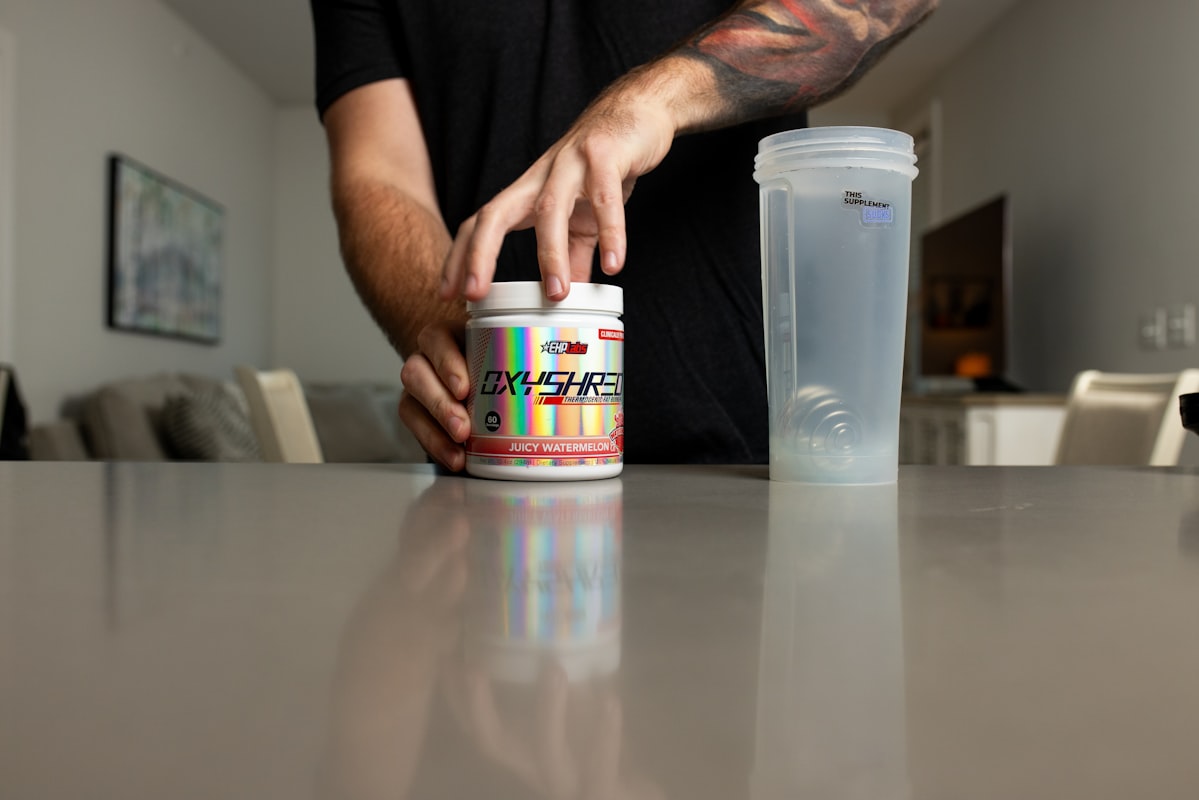
Salmon Quinoa Packs
Bake salmon fillets with lemon, combine with cooked quinoa and roasted vegetables. Rich in omega-3s and complete amino acids for 48g protein.
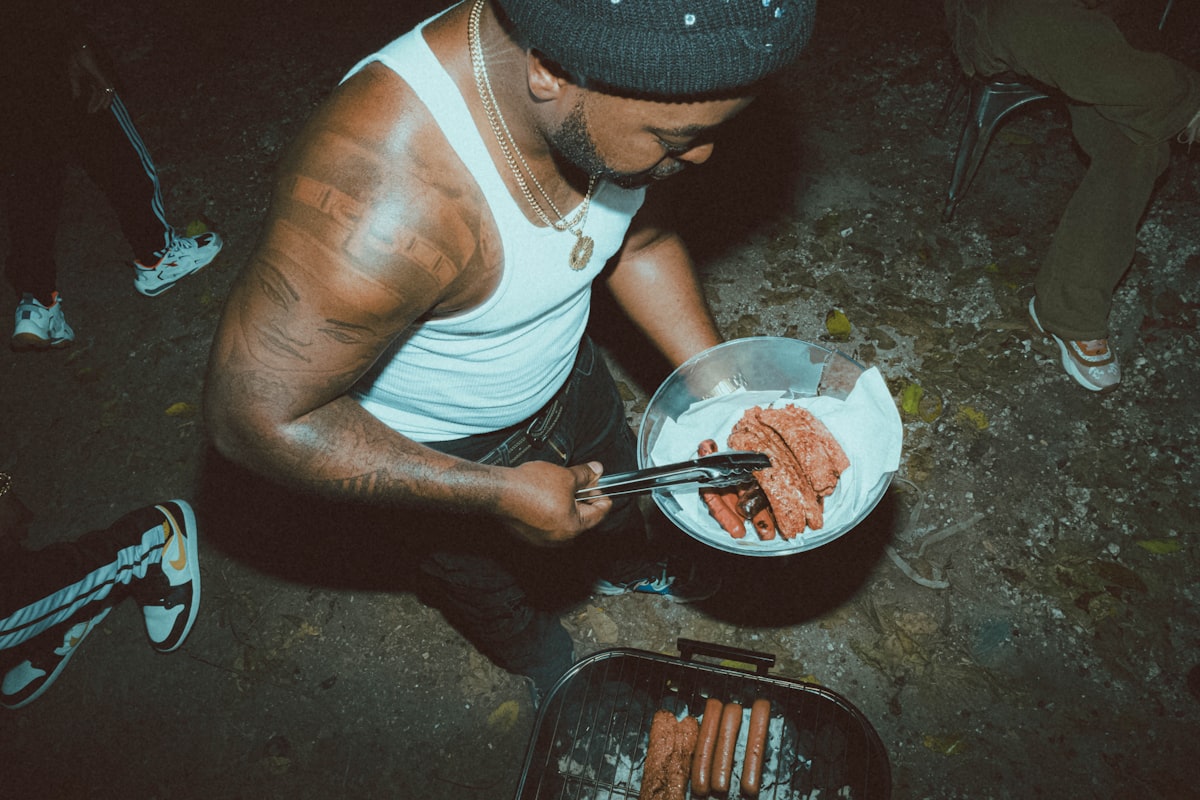
Lean Beef & Sweet Potato
Slow-cook lean beef cuts, serve with baked sweet potatoes and greens. Provides iron, creatine, and sustained energy for intense training days.
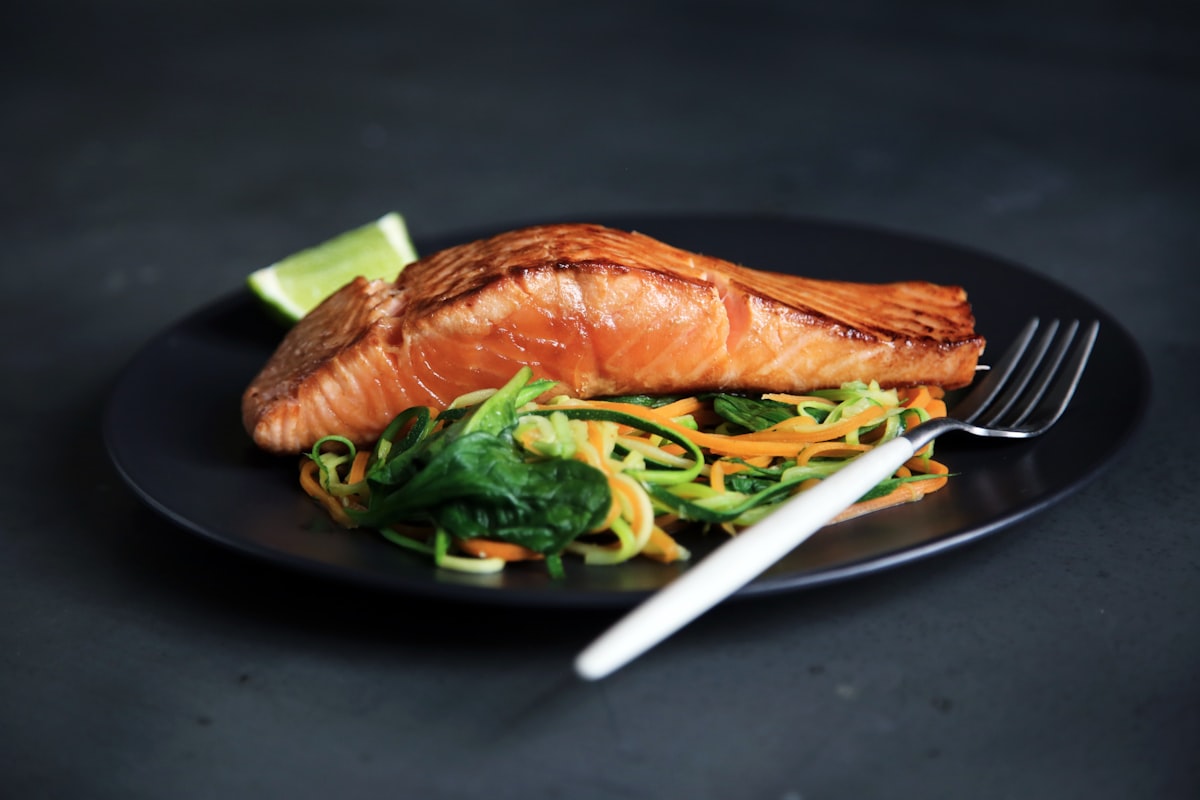
Egg Muffin Breakfast
Bake whisked eggs with spinach, mushrooms, and cheese in muffin tins. Perfect grab-and-go breakfast with 12g protein per muffin and minimal carbs.

Overnight Oat Containers
Layer oats, Greek yogurt, berries, and nut butter in jars. Grab from the fridge for a balanced breakfast with 30g protein and slow-releasing carbs.
Common Questions About Men's Nutrition
Get answers to the most frequently asked questions about nutrition for active men.
Q How much protein do I really need per day?
For active men engaged in resistance training, research suggests 1.6–2.2 grams of protein per kilogram of body weight daily. This means a 80kg man should aim for 128–176g of protein spread throughout the day. This amount optimizes muscle protein synthesis while supporting recovery from training stress.
Q Is post-workout nutrition truly that important?
Yes. After training, your muscles are primed to absorb nutrients, and protein synthesis is elevated. Consuming 30–40g of protein and 40–80g of carbs within 60 minutes accelerates recovery and adaptation. However, overall daily nutrition matters more than hitting a specific window—consistency across all meals is key.
Q Should I supplement with protein powder, or get it all from food?
Whole foods should be your foundation—they provide fiber, micronutrients, and sustained energy. However, protein powder is a convenient tool when whole-food meals aren't practical. Think of supplements as a complement to a solid diet, not a replacement. Whey, casein, and plant-based powders all have roles depending on your goals and preferences.
Q How do I balance nutrition with a busy schedule?
Meal preparation is your best strategy. Dedicate 2–3 hours on Sunday to batch-cook proteins, grains, and vegetables. Portion into containers and store for 5–6 days. Simple combinations like grilled chicken + rice + broccoli are repeatable, cost-effective, and hit your macros without requiring daily meal planning.
Q What about carbs? Aren't they bad for body composition?
No. Carbs are fuel for performance and recovery. The key is amount and timing. Consume 4–7g per kilogram of body weight depending on training volume. Focus on complex carbs like oats, rice, potatoes, and whole grains. Timing carbs around workouts maximizes their use for energy and recovery, not fat storage.
Q How critical is hydration for athletic performance?
Hydration is foundational. Even 2% dehydration impairs performance, strength, and cognition. Drink water consistently throughout the day—aim for 35–40ml per kilogram of body weight as a baseline. During intense exercise, drink 500–1000ml per hour, and after training, rehydrate with 150% of lost fluids over 4–6 hours to account for ongoing losses.
Success Stories from Real Athletes
"After implementing the protein timing strategy and meal prep routine from Mensfitnessplate, my strength gains accelerated significantly. I wasn't leaving nutrition to chance anymore—every meal had a purpose. Within 12 weeks, my lifts increased by 10–15% and my energy levels were stable throughout the day."
Marcus K., Salzburg
Strength Training Enthusiast
"As a busy professional balancing work and training, I was struggling with inconsistent nutrition. The meal prep ideas and daily breakdown were game-changers. Now I prepare six meals on Sunday, and I know exactly what macros I'm hitting. My recovery is faster, and I feel stronger than ever."
Stefan H., Vienna
CrossFit Athlete & Business Owner
"I had no idea how much my nutrition was holding me back. The article on the six pillars of athletic nutrition changed my perspective—it's not just about eating a lot of protein, it's about strategic timing and balance. My endurance improved, my body composition shifted, and my workouts feel harder because I'm properly fueled."
Thomas R., Innsbruck
Endurance Runner & Fitness Coach
"I was skeptical about meal planning at first—too rigid, I thought. But MensFitnessPlate showed me it's actually about flexibility within a framework. I've maintained my weight loss for over a year now, and it feels sustainable. The recipes keep things exciting."
Marcus L., Copenhagen
Software Developer & Weight Loss Success Story
Frequently Asked Questions
Transform Your Nutrition Today
Join thousands of men achieving their fitness goals with personalized, AI-powered meal planning. Your first week is on us.
No credit card required • Cancel anytime • Access to all features
MensFitnessPlate
Your personalized nutrition companion for athletic performance and body transformation.